

Understanding Window Tinting
What is Window Tint?
Window tinting refers to the application of a thin film or coating on the glass surface of vehicles, homes, or commercial buildings to reduce solar heat, glare, and UV radiation. This film typically comes in varying shades and can enhance privacy while offering a sleek aesthetic appearance. The film is layered in such a way that it is transparent while still fulfilling its functional roles, making it an appealing choice for many vehicle owners. As you consider options for window tint near me, it’s essential to understand the capabilities and characteristics of the tint you seek.
Types of Window Tint Available
Window tints come in various types, designed to achieve different functionalities and benefits. Common types include:
- Dye Film: This is the most common and cost-effective option, using a dyed film to absorb solar energy. It’s primarily used for aesthetic purposes.
- Metalized Film: This film contains tiny metallic particles that reflect heat and glare. It offers increased durability compared to dyed films.
- Carbon Film: Known for its excellent heat and UV rejection, carbon film doesn’t fade over time, making it a long-lasting option.
- Ceramic Film: This high-end film provides superior heat rejection and clarity without the reflective properties of metal, making it one of the most effective options available.
- Hybrid Film: A combination of dye and metallic films, these provide a balance of aesthetics, heat rejection, and durability.
Benefits of Window Tint near me
Opting for professional window tinting offers numerous benefits. These include:
- Heat Reduction: Quality window tints can significantly lower the interior temperature of your vehicle or property, making it more comfortable.
- UV Protection: Most window films block up to 99% of harmful UV rays, protecting your skin and preventing interior fading.
- Glare Reduction: Tints reduce glare from sunlight, improving visibility while driving or working.
- Enhanced Privacy: Tinted windows provide an extra layer of privacy, making it harder to see inside your vehicle or home.
- Aesthetic Appeal: Tinted windows can give your vehicle or property a sleek, polished look, increasing its overall value.
Choosing the Right Window Tint
Factors to Consider
When selecting the ideal window tint, consider several factors to ensure it meets your needs effectively:
- Legal Regulations: Different states and regions have laws governing the permissible levels of tinting. Familiarize yourself with these to avoid legal issues.
- Purpose: Determine whether you need window tint for heat reduction, UV protection, privacy, or aesthetics.
- Appearance: Choose a shade that complements the design of your vehicle or home. The aesthetic contribution can significantly affect satisfaction.
- Material Quality: Higher-quality films generally offer better performance and durability. Research brands known for quality.
How to Assess Tint Quality
Evaluating the quality of window tint is crucial to avoid common pitfalls. Here are steps to assess tint quality:
- Seek Certifications: Look for brands that carry certifications, as these indicate they have met certain industry standards.
- Request Samples: Before committing, ask for samples or swatches. This visual confirmation can make a difference in the final choice.
- Read Reviews: Consult online forums and review sites to gather feedback from previous customers regarding their tinting experiences.
Comparing Prices for Window Tint near me
Price comparison for window tint services varies greatly depending on film type, vehicle size, and location. Here’s how to compare effectively:
- Obtain Multiple Quotes: Reach out to several providers and obtain detailed quotes that reflect the service and materials included.
- Check Packages: Some providers offer special packages or promotions that can provide more value for your investment.
- Inquire about Warranties: Understand what warranties are provided. A higher upfront cost may be justified if included warranties or guarantees are longer.
The Installation Process
Steps for Professional Installation
Understanding the installation process can demystify the operation and prepare you for the experience:
- Preparation: The vehicle or windows should be cleaned meticulously to ensure a smooth application.
- Measuring: Proper measurements ensure the film fits precisely without gaps or overlaps.
- Trimming: Technicians will trim the film to fit the specific areas being tinted.
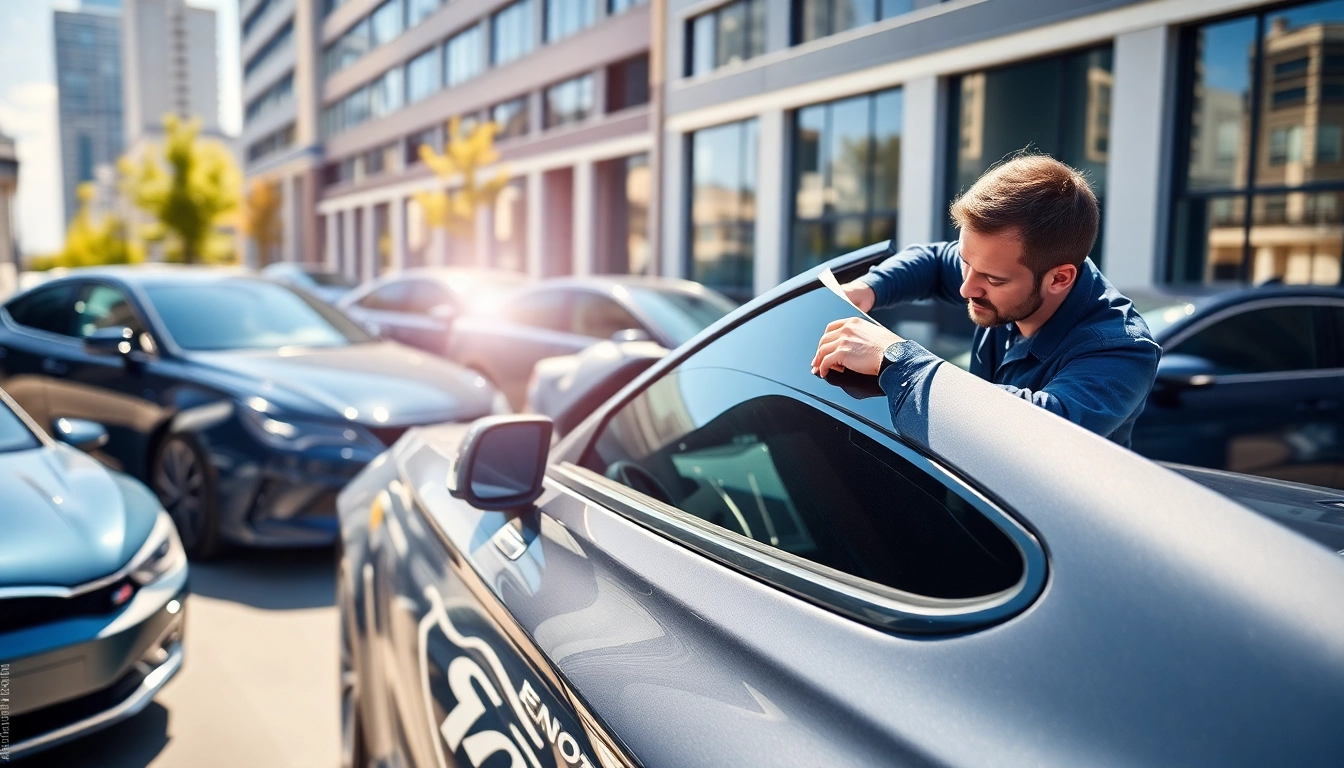
- Application: Using specialized techniques, the film is applied evenly to avoid bubbles or creases.
- Final Touches: Adjustments may be made post-application, and the tinted area will then be allowed time to cure.
Common DIY Mistakes
While DIY can be tempting, it’s fraught with common mistakes that can lead to poor results:
- Improper Cleaning: Any dust or debris can interfere with adhesion; thorough cleaning and drying are essential.
- Wrong Film Type: Using the wrong type of film for the climate or window surface can lead to peeling or bubbles.
- Incorrect Cutting: Lack of experience can result in mismeasuring or uneven cuts, leading to subpar aesthetics.
When to Hire Professionals for Window Tint near me
Professional installation is often the best choice for various reasons:
- Complexity: Some installations, especially on vehicles with curved windows, require a level of expertise to ensure a perfect fit.
- Quality Assurance: Professional installers typically offer warranties that cover their work, mitigating future issues.
- Time Efficiency: Professionals can generally complete the job faster than a DIY-er, allowing you to enjoy the benefits sooner.
Maintenance and Care for Window Tints
How to Clean Tinted Windows
Proper cleaning is essential to maintaining the integrity and clarity of tinted windows. Follow these tips:
- Use Gentle Cleaners: Avoid ammonia-based cleaners as they can degrade the tint; opt for a soap and water solution instead.
- Soft Cloths: Use microfiber cloths that won’t scratch the surface. A soft sponge can also be beneficial.
- Mind the Edges: Take care when cleaning the edges of the tint as too much pressure can cause peeling.
Avoiding Damage and Wear
To ensure your window tint lasts longer, consider these preventative measures:
- Limit Exposure: Try to park in shaded areas or utilize sunshades to avoid extreme heat build-up inside the vehicle.
- Care with Windows Open: Avoid fully rolling down the windows for the first few days post-installation to allow the tint to cure properly.
- Regular Inspections: Regularly check for any bubbles, discolorations, or peeling to address issues promptly.
Signs Your Tint Needs Replacement
Monitoring the condition of your tints is crucial. Here are signs that replacement is needed:
- Peeling Edges: If the tint begins to peel or lift from the glass, it’s time for replacement.
- Discoloration: A significant change in color can indicate that the film has degraded.
- Bubbles: Persistent bubbles that cannot be smoothed out may also necessitate a new application.
Frequently Asked Questions
What are the laws regarding window tint?
Window tint laws vary by state. Ensure you know the permissible levels before applying tint to avoid penalties.
How long does window tint last?
Quality window tints can last between 5 to 15 years, depending on the type of film, exposure to elements, and maintenance.
Can I remove window tint myself?
While you can remove window tint yourself, it’s best done by professionals to avoid damaging the glass or leaving residue.
Does window tint affect visibility?
High-quality tints are designed to reduce glare and enhance comfort without compromising overall visibility.
What are the advantages of professional installation?
Professional installers ensure quality application, provide warranties, and usually guarantee better durability and job precision.