


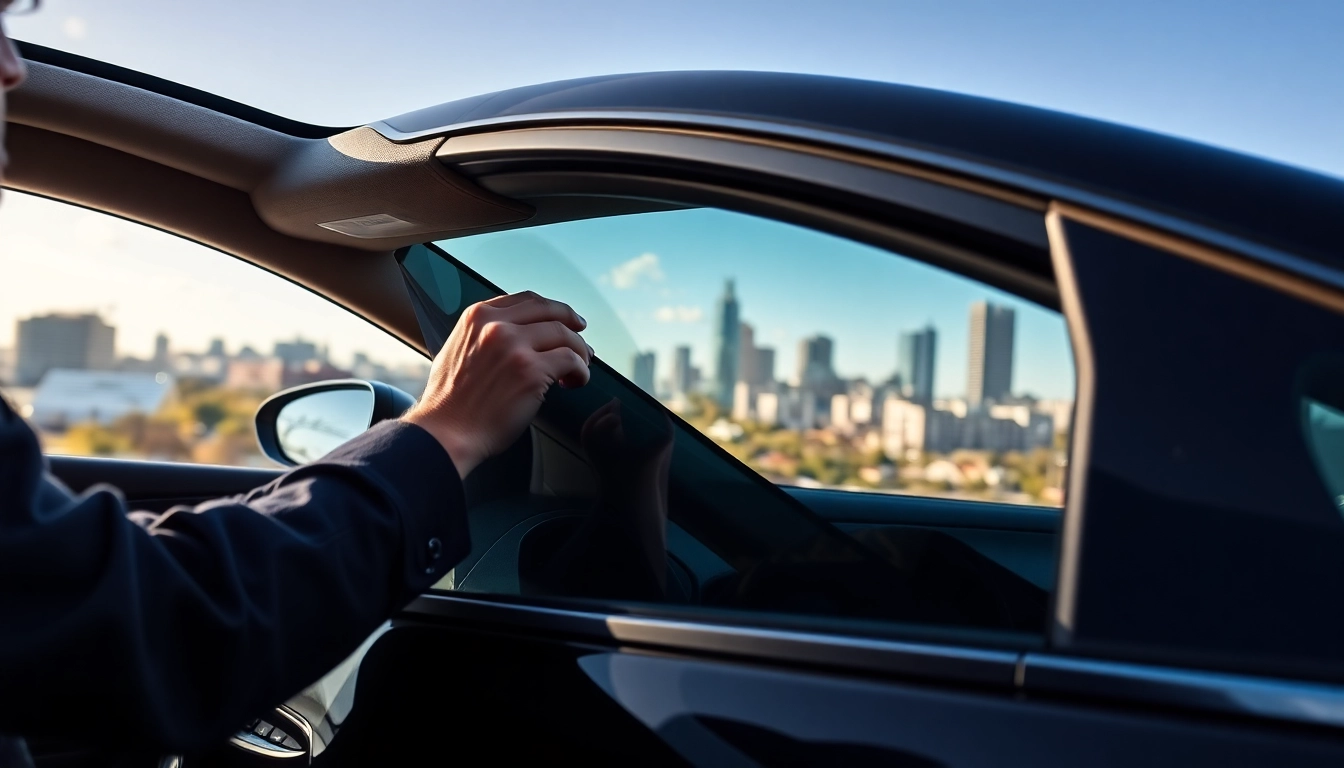
Introduction to Window Tinting
What is Window Tinting?
Window tinting involves applying a thin laminate film to the glass surfaces of vehicles and buildings to control the amount of light and heat that enters the interior. This process enhances aesthetics while providing various practical benefits, including privacy and UV protection. The film comes in different shades and materials, allowing customization based on personal preferences and functional needs.
Benefits of Best Window Tint Chattanooga TN
Choosing the best window tint Chattanooga TN offers several advantages. First and foremost, it provides heat resistance, helping to keep your car cooler in sunny conditions. It also blocks harmful UV rays, which can lead to skin cancer and cause fading in interiors. Additionally, window tinting enhances privacy and security, preventing outsiders from peering into your vehicle or home.
Common Myths about Window Tinting
Many misconceptions surround window tinting. One common myth is that window tinting significantly reduces visibility at night, which is not true; quality films maintain visibility in low light conditions. Another myth suggests that tints will cause bubbles or peel off shortly after installation; however, with proper installation and care, this is unlikely to happen. Additionally, some believe that all tints are illegal; in reality, various shades and types comply with legal standards in Chattanooga.
Types of Window Tint Films
Dyed vs. Metalized Films
Window tint films can be categorized into dyed and metalized types. Dyed films consist of a layer of dye that absorbs heat and light, primarily offering privacy and aesthetic appeal. They can fade over time and are less effective at reflecting UV rays. Metalized films, on the other hand, have a layer of metal particles that reflect sunlight, providing better heat reduction and durability. They are typically more effective but can interfere with mobile and satellite signals.
Ceramic and Nano-Tint Options
Ceramic and nano-tint films offer advanced features that set them apart from traditional options. Ceramic films, made from non-metallic ceramic particles, provide excellent performance without signal interference and effectively block heat and UV radiation. Nano-tint films are similarly constructed with advanced technology, allowing for an almost invisible finish while providing top-notch protection from heat and glare.
Choosing the Right Film for Your Needs
Selecting the right window tint depends on several factors, including climate, personal preferences, and local regulations. Consider whether you prioritize privacy, heat rejection, or UV protection. Additionally, exploring options like ceramic films may be beneficial for those seeking maximum performance without compromising aesthetics or technological functionality.
Factors to Consider Before Tinting
Legal Restrictions in Chattanooga
Before proceeding with window tinting in Chattanooga, it is essential to understand the local laws governing tint percentage and reflectivity. In Tennessee, laws regulate the darkness of window tint for both the front and rear windows, which ensures safety for drivers. You can reference local regulations to avoid fines or issues during vehicle inspections.
Heat and UV Protection Ratings
When selecting a window tint, consider the heat and UV protection ratings provided by each product. High-quality tints block up to 99% of harmful UV rays and significantly reduce solar heat gain, improving comfort in your vehicle or home and decreasing energy costs.
Visual Appeal and Aesthetic Choices
Window tinting can dramatically enhance a vehicle’s visual appeal. The choice of shade and film type allows for a personalized look. Darker tints provide a sleek, sophisticated appearance, while lighter shades can blend well with nearly any design. Ultimately, the aesthetic choice should reflect personal style while balancing practicality.
The Installation Process Explained
Preparation for Window Tinting
Prior to installation, the preparation phase is crucial for ensuring a long-lasting and flawless finish. This involves thoroughly cleaning the window surface to remove any dirt or debris, ensuring proper adhesion. If possible, performing the installation in a low-dust environment will further improve results. It’s also essential to choose a quality film and professional installers to achieve the best outcome.
Installation Techniques and Best Practices
Window tint installation typically follows a process involving cutting the film to size, applying a primer, and adhering the film to the window surface. Professional installers use specialized tools to ensure precision and minimize imperfections. Best practices involve working in temperature-controlled environments, ensuring the tint is applied without moisture or detritus trapped underneath, thus preventing bubbling or peeling.
Post-Installation Care and Maintenance
Following installation, proper care is essential to ensure the longevity of the window tint. This includes avoiding any cleaning solutions that contain ammonia and using a soft cloth for wiping down surfaces. Typically, it’s recommended to wait at least 48 hours before rolling down tinted windows to allow the film to adhere properly.
Frequently Asked Questions
How long does window tint last?
Window tint can last anywhere from 5 to 15 years based on the film quality and environmental exposure.
Can I tint my windows myself?
While DIY kits are available, professional installation is recommended for optimal results and longevity.
What are the legal limits on window tint?
In Chattanooga, specific percentages apply to front and rear windows, which must comply with state regulations to avoid fines.
Is window tinting worth the investment?
Yes, the benefits of heat reduction, UV protection, and increased privacy often justify the initial cost of installation.
How does window tint affect driving visibility?
Quality window tints enhance visibility by reducing glare without significantly hindering visibility, even at night.