
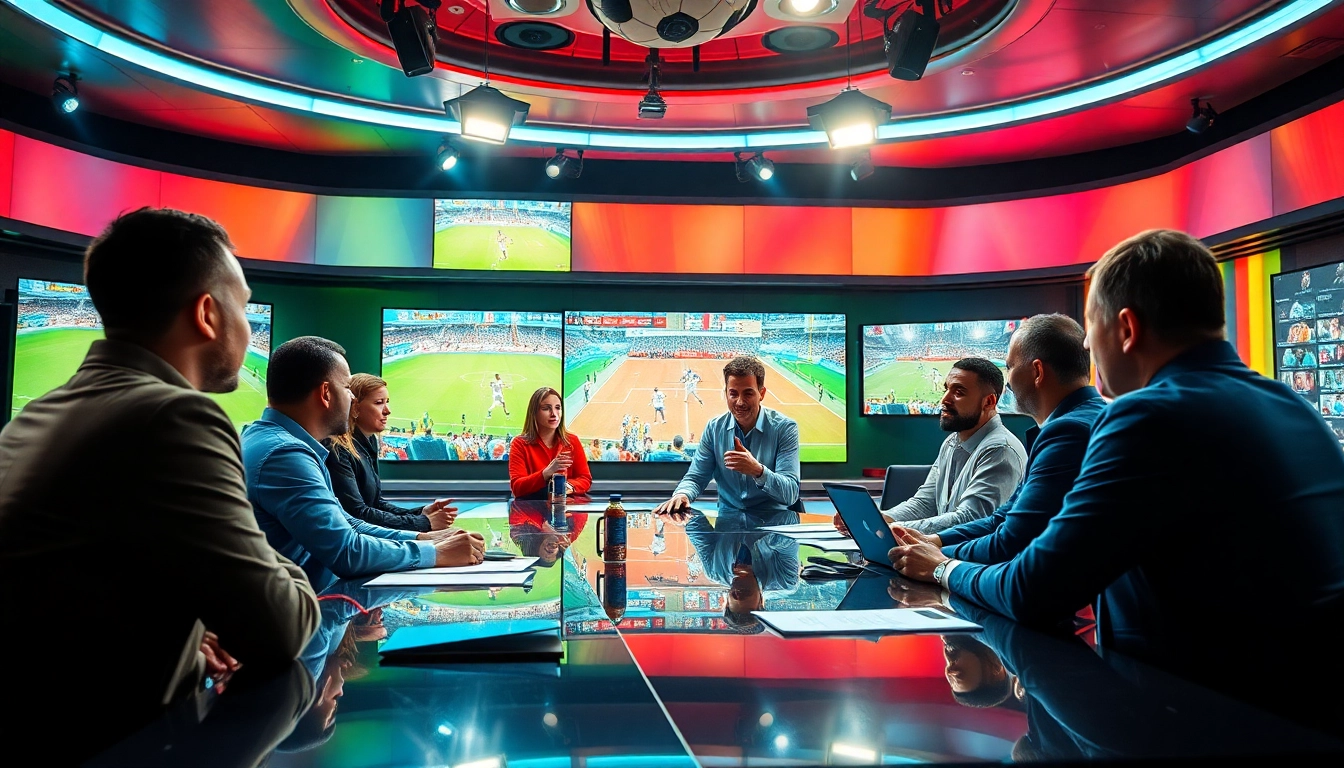
The Importance of Sports Broadcasting in Today’s Media Landscape
The realm of Sports Broadcasting has evolved into a central pillar of modern media. As technology advances, broadcasting not only captures athletic events but also plays a significant role in shaping the viewer's experience. This article delves into the nuances of sports broadcasting, examining its influence on audience engagement, technological advancements, and the burgeoning impact of social media.
Understanding Audience Engagement Through Broadcasting
Engagement is the lifeblood of any successful broadcasting endeavor. By understanding the demographics and psychographics of their audience, broadcasters can tailor their content and delivery methods. The fusion of high-quality visuals, expert commentary, and interactive elements creates a dynamic viewing experience.
Live sports events generate unparalleled excitement. The energy of a packed stadium, the tension of a last-minute goal, and the jubilation of victory create an emotional connection between fans and the sport. Broadcasters leverage this connection through strategic narrative techniques that draw viewers in, making them feel part of the action.
The Evolution of Sports Broadcasting Technologies
From the advent of radio broadcasts in the early 20th century to today’s high-definition streaming capabilities, the evolution of technology has significantly transformed sports broadcasting. With each technological advancement, the viewer experience has improved exponentially.
Television revolutionized sports coverage, bringing events into homes worldwide and changing the way fans interacted with their favorite teams. Today, advancements such as 4K resolution, ultra-slow motion replays, and drone cameras enhance viewing experiences, providing more intimate and immersive access to sports events.
Impact of Social Media on Live Sports Broadcasting
Social media platforms have reshaped how sports are broadcasted and consumed. Platforms like Twitter, Instagram, and TikTok create a multi-faceted dialogue between networks and viewers, fostering engagement that extends beyond traditional viewing.
Live-tweeting games, sharing behind-the-scenes content, and leveraging influencers to promote events are just a few ways broadcasters are harnessing these tools. Instant highlights and fan interactions provide real-time experiences, making broadcasts feel more inclusive and community-oriented.
Key Elements of Professional Sports Broadcasting
Essential Equipment for Effective Broadcasting
The backbone of successful broadcasting lies in the technology employed. High-definition cameras, robust audio equipment, and advanced graphics systems are all pivotal in delivering a seamless viewing experience.
Beyond cameras and microphones, the control room is where the magic happens. Producers and technical directors orchestrate the show by selecting angles, ensuring smooth transitions, and managing audio. The synergy between these components is crucial in delivering a polished sports broadcast.
Crafting Compelling Storylines in Sports Coverage
Beyond the scoreboards, sports broadcasting serves as a narrative medium. Crafting compelling storylines enhances viewer engagement significantly. Broadcasters must research player backgrounds, team dynamics, and season narratives to create a rich tapestry of storytelling.
Whether focusing on a player’s comeback from injury or the rivalry between two teams, fascinating narratives keep audiences hooked and encourage them to invest emotionally in the broadcast.
Interviews and Interaction: Engaging Viewers
Incorporating interviews with players, coaches, and experts can elevate sports broadcasts. These interactions provide insights that enhance the viewer experience, allowing fans to connect with the personalities behind the athletes they admire. Broadcasters must strive for authenticity, as genuine exchanges resonate more with audiences.
Viewer interaction can also be facilitated through phone-ins, social media engagement, and live polls, creating a two-way conversation that fosters community among fans and increases loyalty to the network or platform.
Best Practices for Achieving High-Quality Sports Broadcasting
Creating a Consistent Broadcasting Schedule
A well-structured broadcasting schedule ensures that audiences know when to tune in. Regular programming fosters a sense of anticipation and builds a loyal viewer base. Consistency also aids in branding, as audiences begin to associate specific programs with their viewing routines.
Networks should use promotional campaigns to advertise upcoming broadcasts, ensuring viewers understand when and where to watch their favorite sports.
Utilizing Analytics for Audience Insights
In today’s data-driven world, analytics play a crucial role in shaping broadcasting strategies. By analyzing viewer behavior, demographics, and preferences, broadcasters can tailor their content and marketing strategies effectively.
Analytics tools help identify peak viewing times, popular segments, and audience reactions. This feedback loop allows broadcasters to adapt and enhance future broadcasts, making each event more engaging for viewers.
Continuous Training for Broadcasting Professionals
The broadcasting landscape is ever-evolving, necessitating ongoing education for professionals in the field. Regular training sessions and workshops keep broadcasters updated on technological advancements and emerging trends.
Fostering a culture of continuous learning enhances the quality of broadcasts and enriches the professionals' skills, enabling them to tell stories more effectively and connect with audiences on a deeper level.
Challenges and Solutions in Sports Broadcasting
Handling Technical Difficulties During Live Events
Live sports broadcasts are susceptible to technical difficulties, which can disrupt the flow and experience for viewers. Issues such as internet failures, equipment malfunctions, or power outages can lead to chaos.
Having contingency plans and backup systems is essential. Broadcasters should conduct thorough testing before live events and have experienced team members trained to troubleshoot issues quickly. These measures can minimize disruptions and maintain a professional level during broadcasts.
Navigating Legalities and Broadcast Rights
The sports broadcasting industry is rife with legal complexities, particularly surrounding broadcast rights. Broadcasters must navigate a maze of contracts, negotiations, and compliance to avoid legal pitfalls.
Establishing strong relationships with legal teams and rights holders is crucial. Understanding the nuances of licensing agreements and ensuring all legal requirements are met helps broadcasters maintain credibility and avoid costly lawsuits.
Adapting to Changes in Viewer Preferences
Viewer preferences are constantly shifting, and broadcasters must stay attuned to these changes. The rise of streaming platforms has altered how audiences consume sports content, with many opting for on-demand viewing rather than traditional live broadcasts.
To adapt, broadcasters can explore hybrid models that combine traditional broadcasting methods with digital platforms. Offering a variety of viewing options ensures that broadcasters meet the evolving preferences of their audience.
Future Trends in Sports Broadcasting
The Rise of Virtual and Augmented Reality Experiences
Emerging technologies such as virtual reality (VR) and augmented reality (AR) are set to redefine sports broadcasting. These technologies allow viewers to experience games in profoundly immersive ways, creating new engagement opportunities.
Imagine watching a game from the perspective of a player or experiencing a 360-degree view of the stadium. These innovations enhance the viewer’s connection to the sport, making broadcasts more engaging and exciting.
Predicting Viewer Preferences with Data Analytics
As analytics technology becomes more sophisticated, broadcasters will be able to predict viewer preferences with greater accuracy. Understanding trends and patterns allows networks to create targeted content that resonates more deeply with audiences.
Utilizing machine learning algorithms and predictive analytics, broadcasters can tailor their offerings to meet viewers' needs, improving satisfaction and boosting ratings.
Innovations in Interactive Sports Broadcasting
Interactive broadcasting is rapidly emerging as a significant trend in the sports industry. Features such as live voting, instant replays, and viewer-controlled camera angles allow fans to take control of their viewing experience.
This level of interactivity creates a sense of agency and involvement, making broadcasts more exciting. Broadcasters are encouraged to explore new interactive features to draw in audiences and keep them engaged throughout the event.
FAQs about Sports Broadcasting
What is Sports Broadcasting?
Sports broadcasting is the live or recorded transmission of sporting events through various media channels, including television, radio, and online platforms.
How has technology impacted Sports Broadcasting?
Technology has revolutionized sports broadcasting by enabling high-definition coverage, real-time analytics, and interactive viewer experiences, enhancing overall viewer engagement.
What are essential equipment used in Sports Broadcasting?
Essential equipment includes high-definition cameras, audio equipment, graphics systems, and broadcast control rooms to ensure seamless live transmission of sports events.
How can broadcasters engage their audiences effectively?
Broadcasters can engage audiences by crafting compelling narratives, utilizing social media for interaction, and incorporating viewer feedback to tailor content.
What are emerging trends in the future of Sports Broadcasting?
Emerging trends include virtual and augmented reality experiences, interactive broadcasting features, and data analytics to predict viewer preferences, enhancing engagement.